Tapping Into Legacy
How NFC Technology Brings African American Museum Exhibits to Life
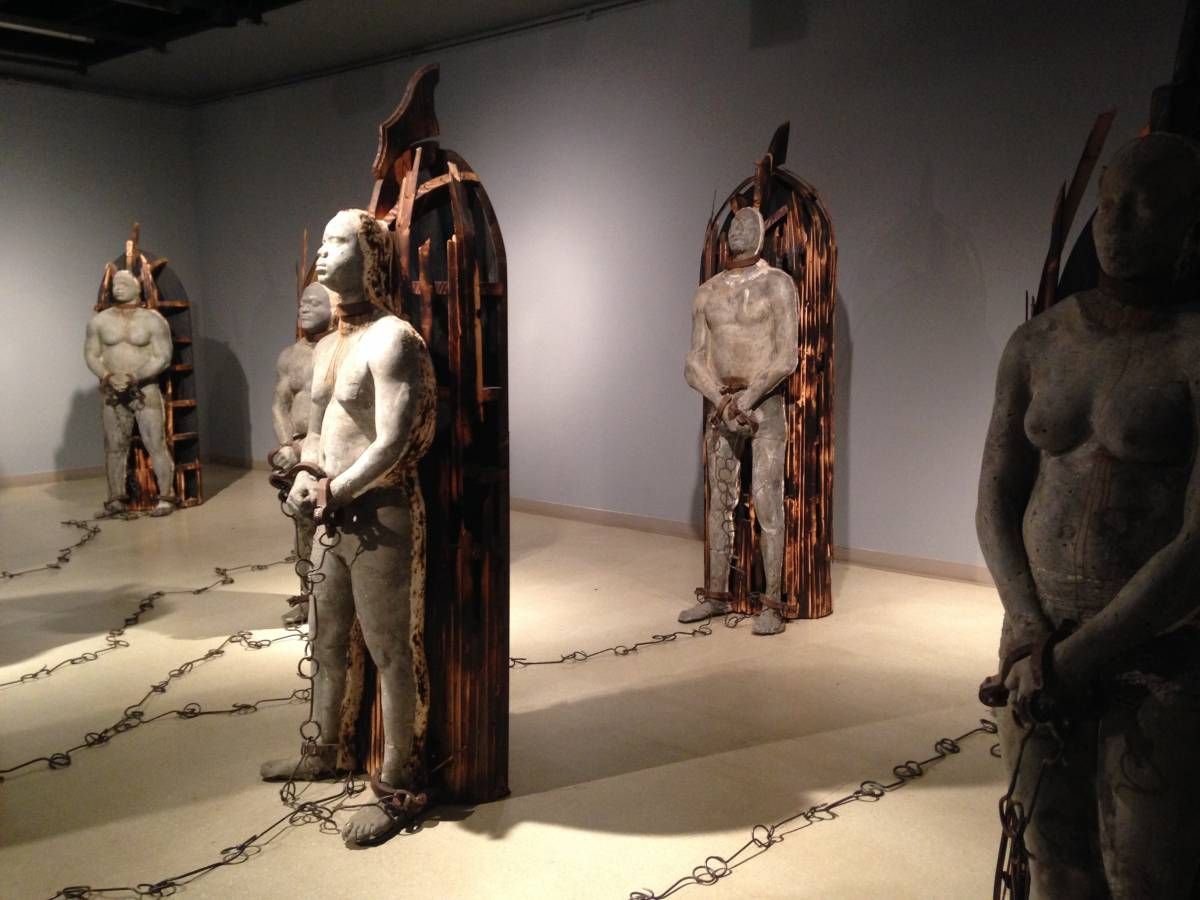
Layering Digital Storytelling onto Physical Exhibits to Build Lasting Engagement with Students, Visitors, and Sponsors
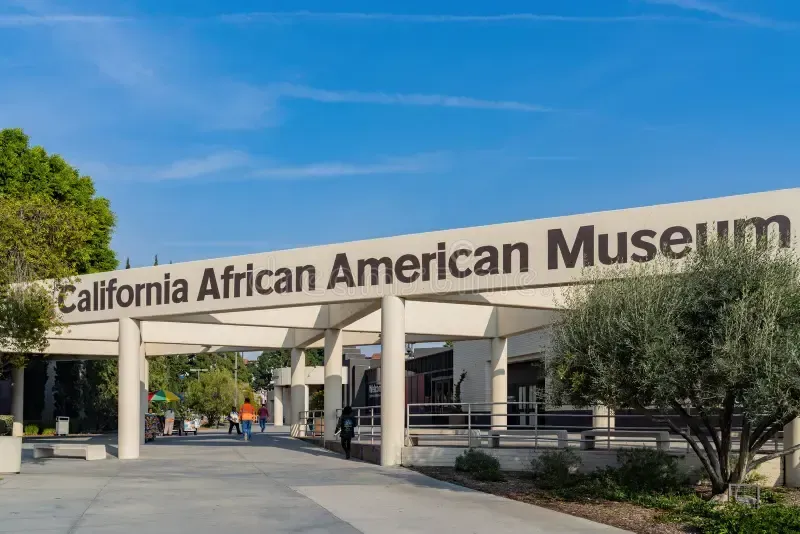
Museum directors understand something powerful: artifacts alone do not carry memory forward — interpretation does. Context gives meaning. Voice gives depth. Narrative creates continuity. Today, NFC technology offers African American museums an opportunity to expand interpretation beyond static placards and traditional audio guides by layering exhibits with living, accessible digital storytelling that travels with the visitor long after they walk out the door.
Near Field Communication (NFC) tags, discreetly embedded near exhibits, allow visitors to simply tap their smartphones and instantly access expanded content — oral histories, archival photos, video commentary, transcripts, lesson plans, curatorial notes, timelines, and interactive maps — all delivered through a Progressive Web App without requiring a download. This matters deeply in cultural institutions where authenticity, accessibility, and narrative integrity are central. NFC does not replace the exhibit; it amplifies it. A single artifact — a freedom paper, a jazz photograph, a civil rights leaflet — can unfold into layered testimony: the voice of the elder who preserved it, the historian who contextualized it, the descendant who reflects on its legacy.
For students, the impact is transformative. Instead of passively viewing exhibits, they engage in active exploration. They can bookmark content, revisit lessons from home, and access educator resources linked directly to curriculum standards. A school group visit no longer ends at the bus door. The digital layer extends the classroom into the museum and the museum into the classroom. NFC creates continuity between physical encounter and sustained learning. Over time, this builds habitual engagement and reinforces the museum as a trusted educational partner.
For general visitors, NFC builds relationship memory. When a visitor taps and receives a powerful oral history clip, they can save, share, or receive follow-up content via opt-in notifications. That means the exhibit becomes part of an ongoing dialogue rather than a one-time impression. Museums gain insight into what exhibits resonate most, how long visitors engage, and which narratives inspire return visits — all while maintaining privacy through aggregate analytics. This knowledge allows directors to refine storytelling, strengthen grant reporting, and demonstrate measurable cultural impact.
For sponsors and funders, the value proposition expands significantly. NFC layering creates new, tasteful sponsorship pathways that align with mission-driven storytelling. A corporate sponsor supporting a Black business history exhibit, for example, can be acknowledged within the expanded digital experience without disrupting the integrity of the physical display. More importantly, sponsor engagement becomes measurable — taps, dwell time, shared resources — moving support from passive logo placement to active participation. This strengthens renewal potential and deepens alignment with community impact goals.
African American museums have always been custodians of living memory. NFC technology offers a way to honor that tradition while embracing modern infrastructure. It preserves oral histories alongside artifacts, democratizes access to deeper knowledge, reduces printing costs, enhances accessibility through audio and transcripts, and creates a bridge between elders and youth through digitally sustained engagement.
Layered properly, NFC does not make exhibitions more technological. It makes them more human — allowing stories to breathe, voices to echo, and relationships with students, visitors, and sponsors to endure long after the visit ends.
Hashtags:
#AfricanAmericanMuseums
#MuseumInnovation
#NFCtechnology
#DigitalStorytelling
#CulturalPreservation
#SmartMuseums
#EdTech
#HeritageTech
#BlackHistory365
#CommunityEngagement
#MuseumLeadership
Keywords:
NFC museum technology, African American museum innovation, digital exhibit engagement, interactive museum infrastructure, tap-based storytelling, cultural heritage technology, museum student engagement, sponsor engagement measurement, Progressive Web Apps for museums, smart museum infrastructure, heritage tourism technology, oral history digitization, museum modernization strategy, exhibit analytics, community-based digital preservation